
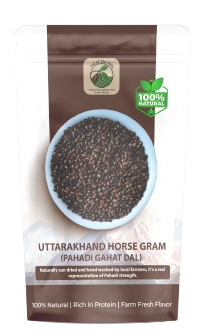
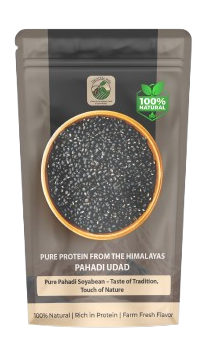
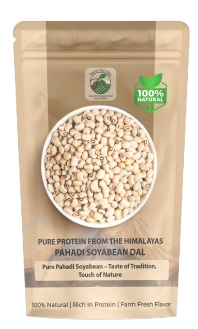
Our Signature Products
Discover the soulful taste of the hills in every grain
Welcome to Dal of the Hills
Welcome to Dal of the Hills — where every grain tells a story of the mountains.
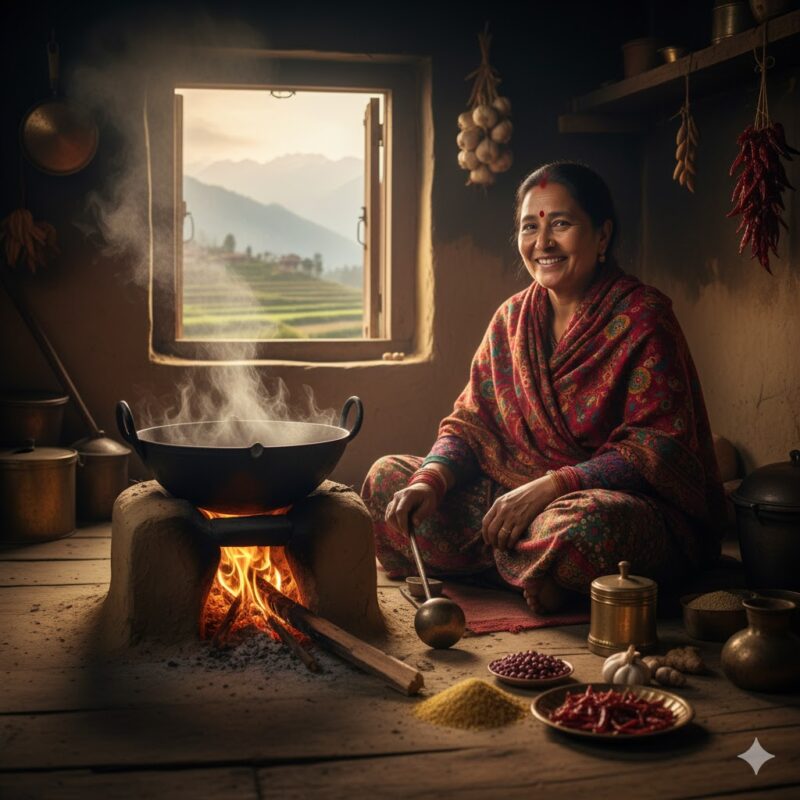
We bring you authentic, chemical-free dals and lentils grown naturally on the terraced farms of Uttarakhand, handpicked by local farmers, and sun-dried under the Himalayan sky.
Our mission is simple — to share the flavours, nutrition, and traditions of the hills while empowering the hardworking farmers who nurture this land.
Taste the Himalayas, Naturally
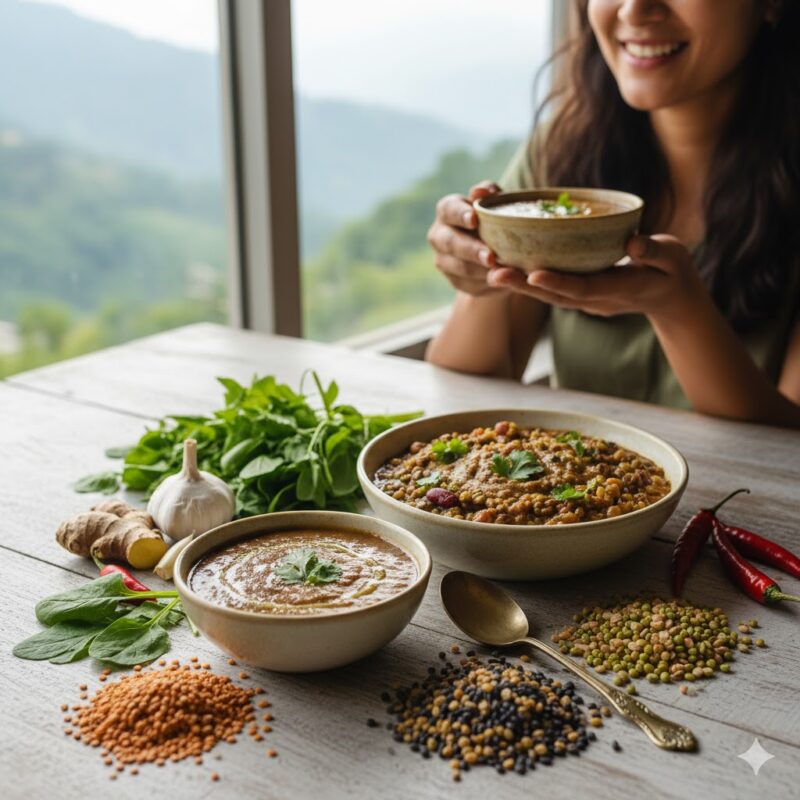
From the cool valleys of Garhwal to the fertile slopes of Kumaon, our dals are a celebration of mountain purity.
Each pack carries the rich aroma, earthy flavour, and wholesome nutrition that define true Pahadi food.
No preservatives. No artificial colours.
Just 100% natural, hand-cleaned, sun-dried lentils — straight from the heart of Uttarakhand.
Taste the Himalayas, Naturally
From the cool valleys of Garhwal to the fertile slopes of Kumaon, our dals are a celebration of mountain purity.
Each pack carries the rich aroma, earthy flavour, and wholesome nutrition that define true Pahadi food.
No preservatives. No artificial colours.
Just 100% natural, hand-cleaned, sun-dried lentils — straight from the heart of Uttarakhand.
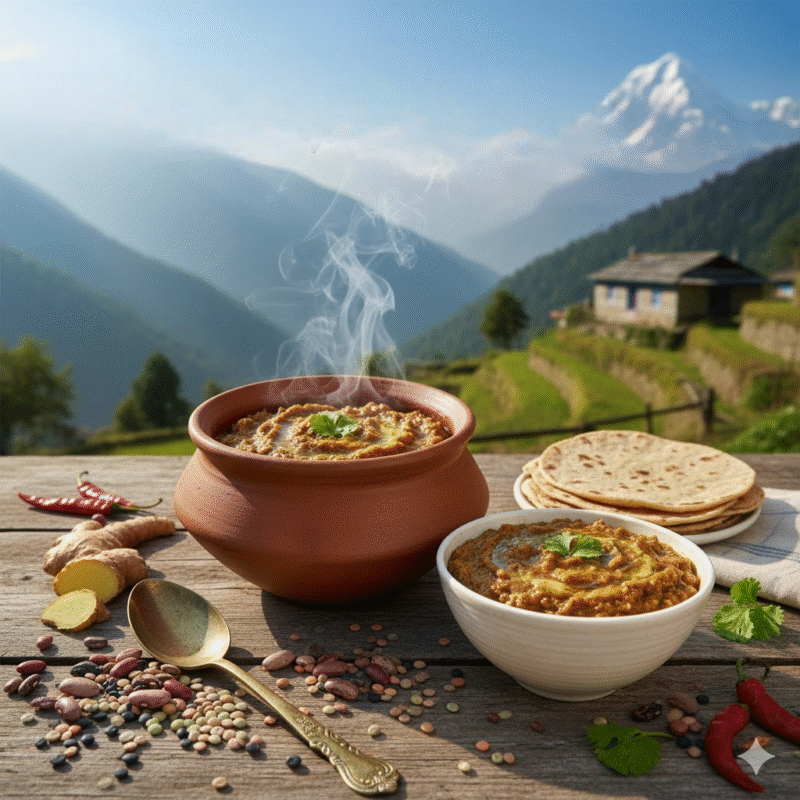
Cooking Dal the Pahadi Way
Discover the traditional Uttarakhand method.
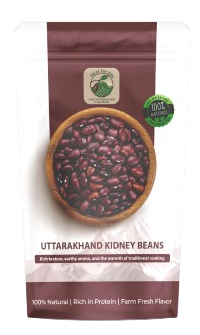
To prepare authentic Pahadi Rajma, start by rinsing the rajma (kidney beans) thoroughly under running water to remove any dirt or impurities. Soak the rajma overnight or for at least six to eight hours — this helps them cook faster and become soft. Drain the water, rinse once more, and pressure cook the soaked rajma with salt and a pinch of turmeric until tender. Mash a few beans lightly to give the curry a creamy texture.
For the tadka, heat mustard oil or ghee in a pan and add cumin seeds, allowing them to splutter. Add a pinch of hing, crushed garlic, and green chilies, sautéing until fragrant and golden. Mix in finely chopped onions and cook until translucent, then add tomatoes and cook until soft and the oil begins to separate. Add coriander powder, red chili powder, and salt to enhance the flavor.
Now pour the cooked rajma into the tadka and stir well. Let it simmer on low flame for five to ten minutes so the flavors blend beautifully. Adjust the consistency with a little water — traditional Pahadi Rajma is thick and rustic. Garnish with fresh coriander leaves and serve hot with steamed rice or mandua roti for a comforting Uttarakhandi meal.
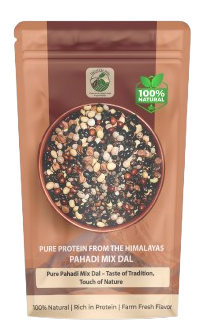
To prepare authentic Pahadi Mix Dal, start by rinsing a combination of lentils — like Gahat (Kulthi), Masoor, and Moong — thoroughly under running water to remove any impurities. Soak the dals for about two to three hours; this step is optional but helps them cook faster and become softer. Lightly mash the soaked dals on a silbatta (traditional Pahadi style) or grind coarsely in a mixer.
For the tadka, heat mustard oil or ghee in a pan and add cumin seeds, allowing them to splutter. Add a pinch of hing, crushed garlic, and chopped green chilies, and sauté until golden and aromatic. Next, add finely chopped onions and cook until translucent. Then add tomatoes, cooking them until soft and the oil starts to separate. Stir in coriander powder, turmeric, and salt for rich flavor.
Now pour the cooked mixed dal into the tadka and mix well. Let it simmer on a low flame for five to ten minutes so the flavors blend beautifully. Adjust the consistency with water — Pahadi Mix Dal is usually medium-thick. Garnish with fresh coriander leaves and serve hot with steamed rice, mandua roti, or bhat ki churkani for a hearty Uttarakhandi meal.
To prepare authentic Gahat Dal, start by rinsing the lentils thoroughly under running water to remove any impurities. Soak the dal for about two to three hours — this step is optional but helps reduce cooking time and makes the dal softer. Mash this soak dal on silbatta (Pahadi Style) or grind on mixy.
For the tadka, heat mustard oil or ghee in a pan and add cumin seeds, letting them splutter. Then add a pinch of hing, crushed garlic, and green chilies, sautéing until golden and aromatic. Mix in finely chopped onions and cook until translucent, followed by tomatoes, which should be cooked until soft and the oil begins to separate. Add coriander powder and salt to enhance the flavors.
Now, pour the cooked dal into the tadka and mix well. Let it simmer on a low flame for five to ten minutes so the spices blend beautifully with the lentils. Adjust the consistency with a little water — traditional Pahadi Gahat Dal is slightly thick. Garnish with fresh coriander leaves and serve hot with steamed rice, mandua roti, or bhat ki churkani for an authentic Uttarakhandi meal.
To prepare authentic Pahadi Udad Dal, start by rinsing the dal thoroughly under running water to remove any dust or impurities. Soak the udad dal for two to three hours — this step helps it cook faster and gives a softer texture. After soaking, lightly mash the dal on a silbatta (traditional Pahadi style) or grind it coarsely in a mixer. Pressure cook the dal with salt and a pinch of turmeric until soft and creamy.
For the tadka, heat mustard oil or ghee in a pan and add cumin seeds, letting them splutter. Add a pinch of hing, crushed garlic, and chopped green chilies, and sauté until golden brown and aromatic. Then add finely chopped onions and cook until translucent, followed by tomatoes. Cook until they turn soft and the oil begins to separate. Stir in coriander powder and a bit of red chili powder for flavor.
Now add the cooked dal to the tadka and mix well. Let it simmer for five to ten minutes on low flame so the flavors blend beautifully. Adjust the consistency with a little water — Pahadi Udad Dal is usually thick and hearty. Garnish with fresh coriander leaves and serve hot with rice, mandua roti, or bhat ki churkani for an authentic Uttarakhandi meal.
To prepare authentic Pahadi Soyabean Dal, start by rinsing whole soyabeans thoroughly under running water to remove any impurities. Soak them for about four to five hours or overnight to soften them well. Drain the water and lightly crush the soaked soyabeans on a silbatta (traditional Pahadi style) or grind coarsely in a mixer. Pressure cook with salt, turmeric, and enough water until the beans turn soft and mash slightly to thicken the texture.
For the tadka, heat mustard oil or ghee in a pan and add cumin seeds, allowing them to splutter. Add a pinch of hing, crushed garlic, and chopped green chilies, and sauté until golden and aromatic. Then add finely chopped onions and cook until translucent, followed by tomatoes. Cook until they soften and the oil starts separating. Add coriander powder, a little red chili powder, and salt for perfect flavor.
Now pour the cooked soyabean dal into the tadka and mix well. Let it simmer on low flame for five to ten minutes so the flavors combine beautifully. Adjust the consistency with a little water — Pahadi Soyabean Dal is thick and hearty. Garnish with fresh coriander leaves and serve hot with steamed rice, mandua roti, or bhat ki churkani for an authentic Uttarakhandi meal.
What Our Customers Say
Hear from the people who’ve experienced our authentic Pahadi flavors and warm hospitality.
The Pahadi dal and mandua roti took me straight back to my childhood in the hills. The flavors were earthy, simple, and so comforting. You can really taste the love and tradition in every bite!
I never knew simple food could taste so rich and soulful. The soyabean dal and bhat ki churkani were perfectly cooked — just like homemade food in Uttarakhand villages.
Such a beautiful experience! The authenticity of the flavors, the use of mustard oil, and the traditional tadka reminded me of meals cooked by my grandmother in our village.
Everything tasted fresh and wholesome. The Gahat dal had that smoky, silbatta flavor you just can’t find anywhere else. Highly recommended for anyone craving true Pahadi taste!
Our Blog
There are many variations of passages of lorem ipsum available